
You didn’t expect the accident. One moment you were driving through the streets of Kuala Lumpur, and the next you felt a sharp jolt. Maybe the pain started right away. Maybe it crept in hours later, a dull ache in your neck that kept getting worse.
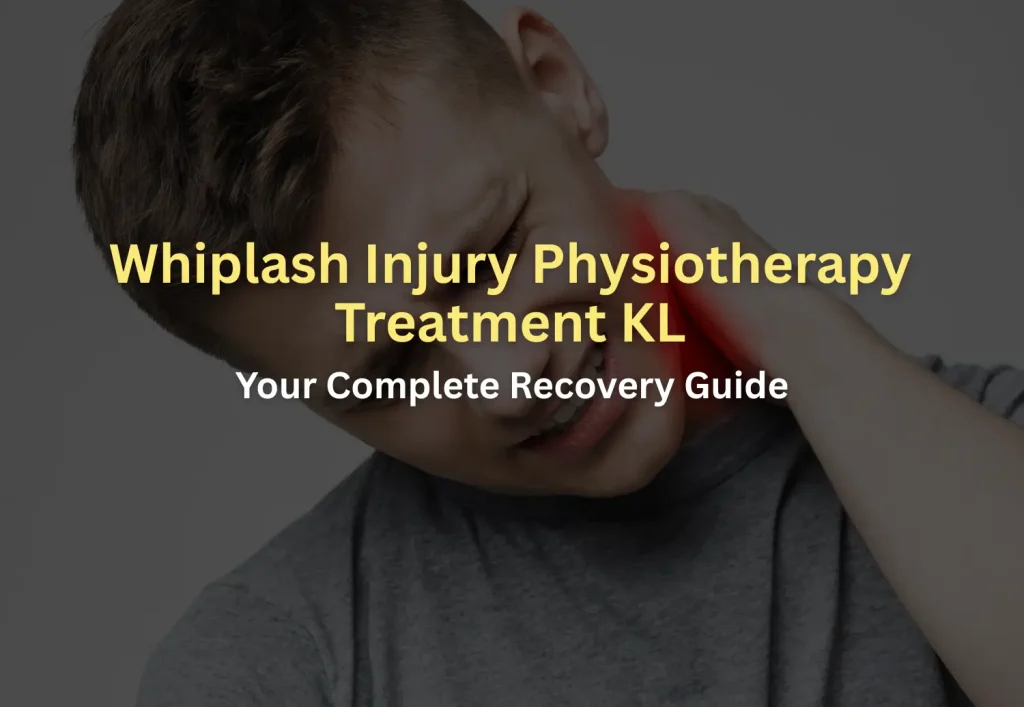
If this sounds familiar, you may be dealing with a whiplash injury. And you’re not alone. Whiplash is one of the most common injuries we see here at ONI Physio Fitness in Mont Kiara, KL. It can feel confusing and frustrating, especially when the pain lingers even after the swelling seems to have gone down.
This guide is here to help you understand exactly what’s happening in your body, what your recovery journey looks like, and how we help people in KL get back to feeling like themselves again.
What Is a Whiplash Injury?
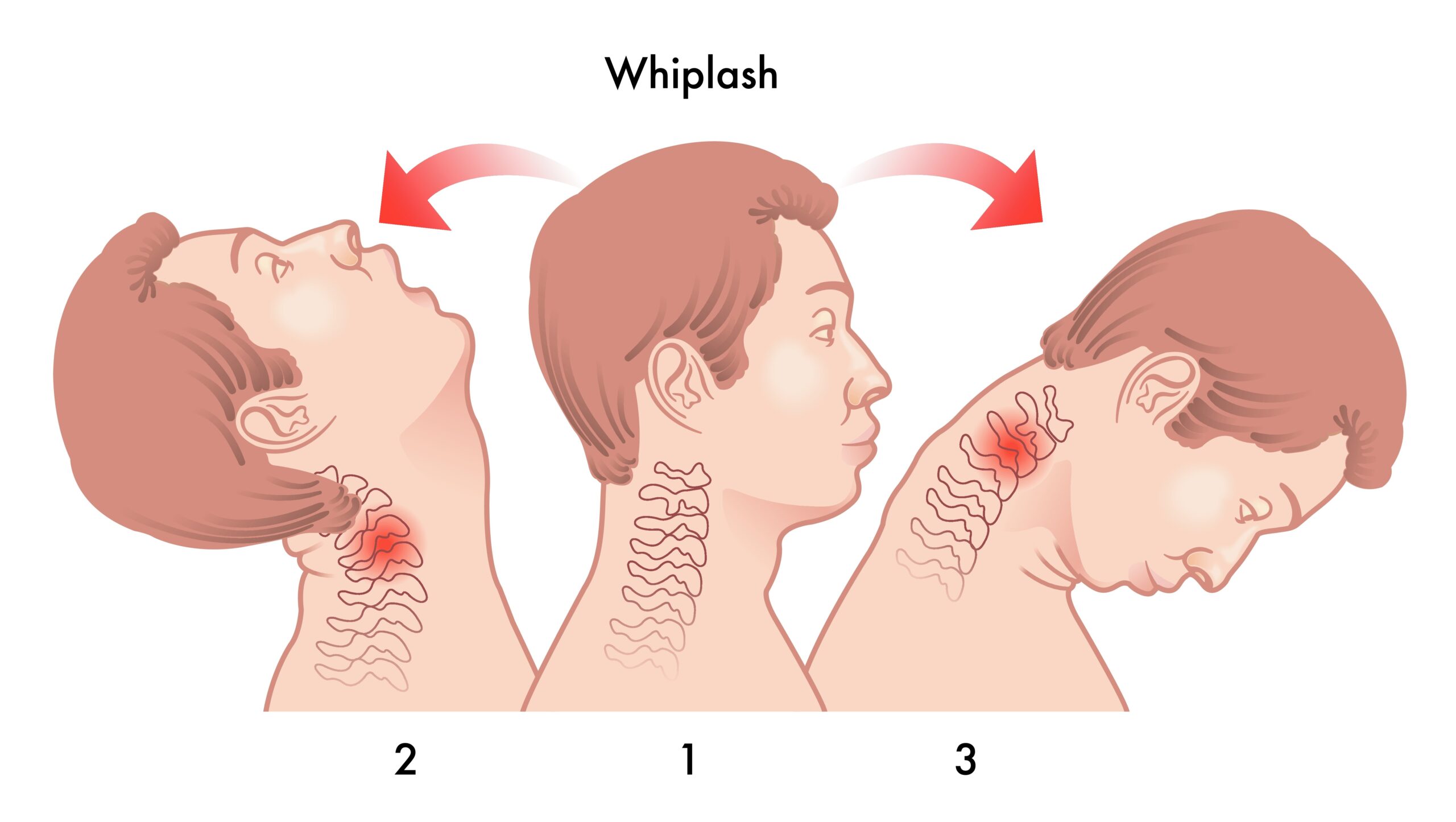
Whiplash happens when your head gets thrown forward and then snaps back very quickly, like a whip cracking. This sudden movement puts a huge amount of force through the muscles, ligaments, and joints in your neck.
Even at low speeds, the force of impact during a car crash can be enough to strain the soft tissues in your neck. This is why neck pain after a car crash is so common, even when the car looks fine afterwards.
Common Causes of Whiplash Injury

While car accidents are the most well-known cause, whiplash can happen in several situations:
- Rear-end or front-impact car collisions (the most common cause)
- Side-impact accidents
- Sports collisions or contact injuries
- Falls where the head jerks suddenly
- Physical assault or shaking
Whiplash Injury Symptoms: What to Look Out For
One of the tricky things about whiplash is that symptoms don’t always show up immediately. Sometimes the pain builds over 24 to 48 hours after the incident. This is why it’s so important to get checked out early, even if you feel okay right after the accident.
Common symptoms include:
- Neck pain and stiffness
- Headaches, especially at the base of the skull
- Pain or tenderness in the shoulders and upper back
- Tingling or numbness down the arms
- Dizziness or feeling lightheaded
- Fatigue
- Difficulty concentrating or memory problems (often called ‘brain fog’)
- Blurred vision
- Disturbed sleep
Read also: Cervical Radiculopathy Physiotherapy Treatment in KL
Whiplash Injury Symptoms: What to Look Out For
Dizziness after a whiplash injury is more common than most people realise. It can happen because the joints, muscles, and nerves in your neck all play a role in helping your brain sense where your body is in space. When those structures get strained or irritated, the signals they send to your brain become confused.
This is part of what’s called Whiplash-Associated Disorders (WAD), a term used to describe the full range of symptoms that can follow a whiplash injury, not just neck pain. If you’re experiencing dizziness, visual disturbances, or brain fog alongside your neck pain, these are all part of the picture and they can absolutely be treated.
Had a Car Accident? What to Do for Neck Pain in the First 48 Hours
The first two days after a whiplash injury are important. Here’s what we recommend:
- Seek medical attention first. Go to a hospital or GP to rule out any fractures or serious injuries. Don’t skip this step.
- Rest, but not too much. A little rest is fine in the first day or two, but staying completely still for too long can actually slow down healing.
- Keep your neck gently moving. Gentle movements like slow head turns (as far as comfortable) can prevent stiffness from setting in.
- See a physiotherapist as soon as possible. Early physiotherapy is one of the most effective things you can do. The sooner you start, the better your outcome tends to be.
If you’re in Mont Kiara or anywhere in KL, you’re welcome to contact ONI Physio Fitness. We can typically see new patients quickly and we’ll walk you through exactly what to do from day one.
Whiplash Injury Diagnosis: How We Assess You
At ONI Physio Fitness, we take a thorough approach to understanding your injury. We don’t just look at the painful spot. We look at the whole picture.
Our assessment typically includes:
- A detailed history of how the injury happened and what symptoms you’re experiencing
- Range of motion testing to see how your neck moves
- Neurological checks to look for nerve involvement
- Muscle strength and postural assessment
- Joint and soft tissue palpation to identify areas of injury
- WAD grading (Whiplash-Associated Disorders classification) to understand injury severity
We may also ask about your sleep, mood, and daily activities, because whiplash doesn’t just affect your neck. It affects your whole life, and we want to support all of that.
Physiotherapy for Neck Pain After a Car Accident in KL: The ONI Physio Fitness Approach
Many clinics will see you for a few sessions of heat and massage and send you on your way. We think you deserve more than that.
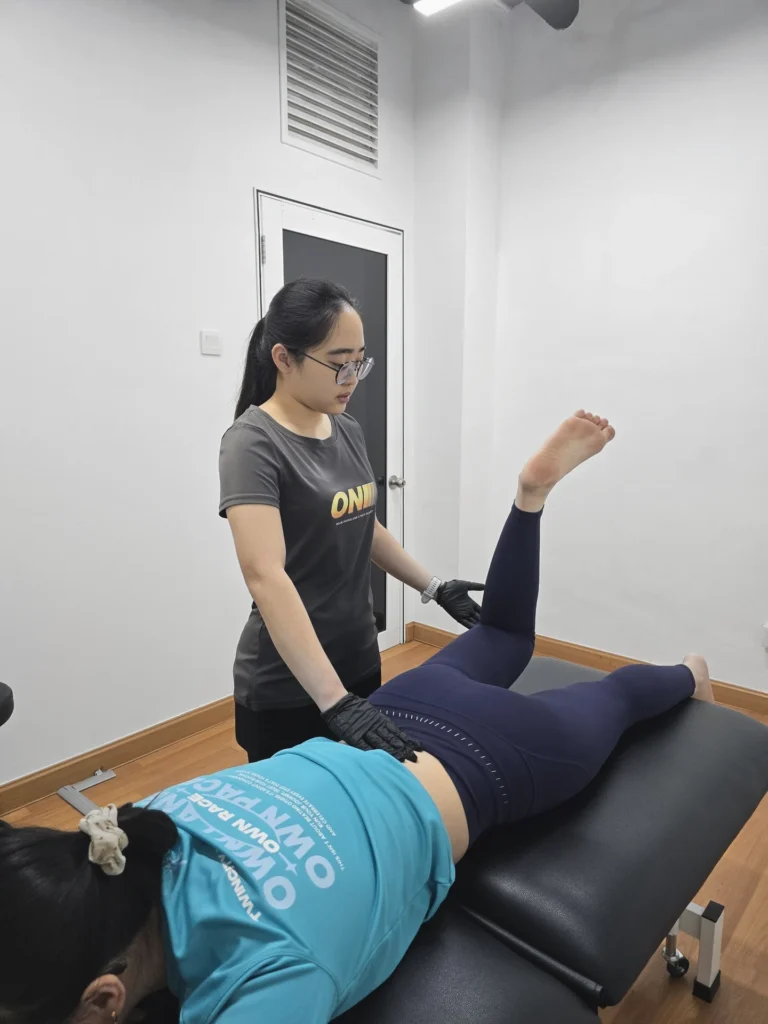
At ONI Physio Fitness in Mont Kiara, we believe that real, lasting recovery from whiplash requires two things working together: hands-on physiotherapy to settle the pain and restore movement, AND active exercise therapy to rebuild the strength and stability your neck needs long-term.
This combination is our core philosophy, and it’s what makes our approach different.
Your Neck Injury Rehab Journey: A Clear Treatment Timeline
Recovery from whiplash doesn’t happen overnight, but it does happen. Here’s a realistic guide to what your rehab might look like:
Phase 1: Acute Pain Management (Week 1 to 2)
The goal in this phase is to reduce pain and inflammation, and to restore some basic movement.
- Manual therapy to ease joint stiffness and muscle spasm
- Gentle neck range-of-motion exercises
- Pain education so you understand what’s happening
- Advice on how to sleep, sit, and manage daily activities comfortably
Phase 2: Active Rehabilitation (Week 3 to 6)
Once the acute pain starts to settle, we move into more active rehabilitation. This is where we start rebuilding strength.
- Deep neck flexor training (the small stabilising muscles at the front of your neck)
- Shoulder blade and upper back strengthening
- Core stability work to support the spine
- Progressive loading to build tissue resilience
- Continued manual therapy as needed
Phase 3: Strength, Function, and Prevention (Week 6 to 12+)
The final phase is about returning to everything you want to do, whether that’s driving without pain, working at your desk comfortably, exercising, or playing with your kids.
- Sport and activity-specific training
- Return-to-work and return-to-sport programming
- Long-term home exercise programme
- Strategies to prevent recurrence
Recovery time varies from person to person. Many people with mild to moderate whiplash recover well within 6 to 12 weeks. More complex cases involving nerve symptoms or Whiplash-Associated Disorders may take longer, but with the right rehabilitation plan, significant improvement is absolutely achievable.
Why Strengthening Is the Key to Long-Term Recovery from Neck Pain After a Car Crash in KL
Here’s something many people don’t realise: passive treatments like massage, heat, and rest can help with pain in the short term, but they don’t fix the underlying problem. If the muscles and joints supporting your neck are weak or poorly coordinated after an injury, the pain is likely to come back.
This is why we put so much emphasis on active exercise therapy at ONI Physio Fitness.
Your deep neck muscles, particularly a group called the deep cervical flexors, act like a natural brace for your cervical spine. Research consistently shows that these muscles are weakened and poorly activated after whiplash injury. Strengthening them is not optional if you want to achieve lasting relief.
We don’t just hand you a sheet of exercises and hope for the best. We coach you through every movement, progress your programme as you improve, and make sure the right muscles are being trained correctly.
Whiplash Injury Self-Help Exercises You Can Start Today
Please note: always get your injury properly assessed by a physiotherapist before starting exercises. These are gentle movements suitable for most people, but your therapist can confirm what’s right for you.
1. Chin Tucks
Sit upright. Gently draw your chin straight back (like you’re making a double chin) without tilting your head up or down. Hold for 5 seconds, then release. Repeat 10 times. This activates the deep cervical flexors and helps correct forward head posture.
2. Gentle Neck Rotation
Sit tall. Slowly turn your head to the right as far as comfortable. Hold for 2 to 3 seconds. Return to centre, then turn left. Do 5 to 10 repetitions each side. Move slowly and within a pain-free range.
3. Shoulder Blade Squeeze
Sit or stand. Gently squeeze your shoulder blades together as if you’re trying to hold a pencil between them. Hold for 5 seconds, then relax. Repeat 10 times. This strengthens the upper back muscles that support your neck.
4. Levator Scapulae Stretch
Sit upright. Place your right hand behind your back. Gently tilt your head to the left and slightly forward (about 45 degrees from straight ahead). You should feel a gentle stretch on the right side of your neck. Hold for 20 to 30 seconds. Repeat on the other side. Do 2 to 3 times per side.
When Should You Seek Physiotherapy for Neck Pain After a Car Accident in KL?
The answer is: as soon as possible. Early treatment leads to faster recovery and reduces the risk of developing chronic neck pain.
Please seek urgent medical attention (A&E or your GP) if you experience:
- Severe pain that is getting worse rather than better
- Weakness, numbness, or tingling in both arms or legs
- Loss of bladder or bowel control
- Severe headache, vomiting, or loss of consciousness
For all other cases of neck pain following a car accident or injury in KL, physiotherapy is your best next step.
Frequently Asked Questions About Whiplash Injury Physiotherapy Treatment in KL
How long does it take to recover from whiplash?
Most people with mild to moderate whiplash recover within 6 to 12 weeks with proper physiotherapy. More complex cases involving nerve symptoms or Whiplash-Associated Disorders can take longer, but improvement is achievable with the right plan.
Can I exercise with a whiplash injury?
Yes, in fact, gentle movement and targeted exercise are essential for recovery. Complete rest for too long can actually slow healing. Your physiotherapist will guide you on what movements are safe and how to progress.
Do I need an MRI or X-ray for whiplash?
Your doctor may order imaging to rule out fractures or disc injury after a car accident. For typical whiplash, X-rays and MRI often appear normal even when significant soft tissue damage has occurred. A clinical physiotherapy assessment is very important in these cases.
Is my dizziness related to my whiplash injury?
Quite possibly yes. Dizziness is a recognised symptom of Whiplash-Associated Disorders. It can stem from the neck joints and muscles sending disrupted signals to your brain. This is something we assess and treat at ONI Physio Fitness.
Ready to Start Your Recovery? Visit ONI Physio Fitness in Mont Kiara, KL
If you’ve been in a car accident or suffered a neck injury, please don’t wait for the pain to go away on its own. The sooner you start proper rehabilitation, the better your recovery will be.
At ONI Physio Fitness in Mont Kiara, Kuala Lumpur, we specialise in neck injury rehabilitation and take a truly active, whole-body approach to getting you back to full health. We combine evidence-based physiotherapy with progressive strength and exercise therapy so you not only recover from your whiplash injury but come out stronger on the other side.
Contact us today to book your assessment. We’re here for you.
Disclaimer: This blog post is for educational purposes only and does not replace professional medical advice. Please consult a qualified healthcare professional before starting any exercise or treatment programme.